Search results: 95
This module of advanced international humanitarian law is aimed at imparting extended knowledge and understanding of the rules and concepts relevant to the international legal regulation of conduct and activities during international or internal armed conflict.
- Lecturer: Alfred Mwenedata
- Lecturer: Dan Ngirababo
This module provides a good understanding of linear algebra concepts / matrix computations by hand, practical algebraic concepts and methods that are useful in data analysis applications, links between vector space representations and matrices, and between decompositions such as eigenvalue decomposition, singular value decomposition, linear systems, least squares solutions. To provide a working understanding of matrices and vector spaces for later modules to build on and to teach students practical techniques and algorithms for fundamental matrix operations and solving linear equations.
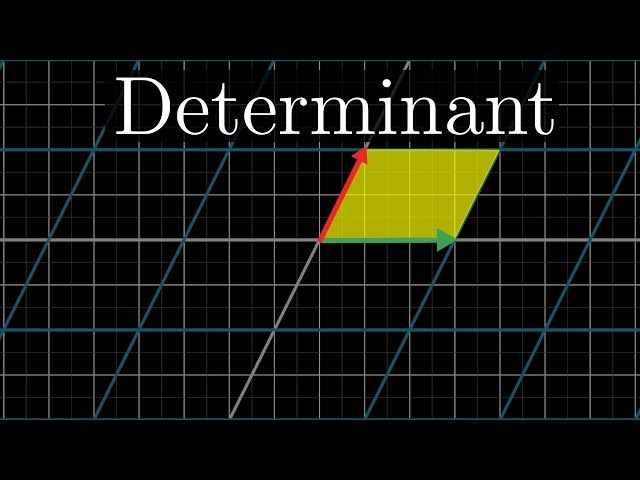
They must also understand the equivalence of linear maps between vector spaces and matrices and be able to row reduce a matrix, compute its rank and solve systems of linear equations. The definition of a determinant in all dimensions will be given in detail, together with applications and techniques for calculating determinants. Students must know the definition of the eigenvalues and eigenvectors of a linear map or matrix, and know how to calculate them.
- Lecturer: NZAYISENGA Marcelin
- Lecturer: Gratien TWAHANYIMPETA
This module provides a good understanding of linear algebra concepts / matrix computations by hand, practical algebraic concepts and methods that are useful in data analysis applications, links between vector space representations and matrices, and between decompositions such as eigenvalue decomposition, singular value decomposition, linear systems, least squares solutions. To provide a working understanding of matrices and vector spaces for later modules to build on and to teach students practical techniques and algorithms for fundamental matrix operations and solving linear equations.
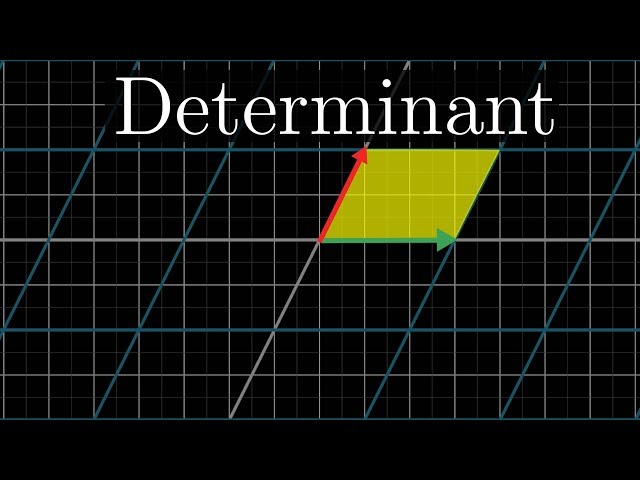
They must also understand the equivalence of linear maps between vector spaces and matrices and be able to row reduce a matrix, compute its rank and solve systems of linear equations. The definition of a determinant in all dimensions will be given in detail, together with applications and techniques for calculating determinants. Students must know the definition of the eigenvalues and eigenvectors of a linear map or matrix, and know how to calculate them.
- Lecturer: NZAYISENGA Marcelin
- Lecturer: Gratien TWAHANYIMPETA
The Year 3 Accounting workshop at ULK aims to deepen students' understanding of advanced accounting principles and practices. Topics covered may include financial statement analysis, advanced managerial accounting techniques, cost accounting techniques, auditing, and international accounting standards. Through practical exercises, case studies, and discussions, students will develop critical thinking skills and practical knowledge are essential for accounting professionals. The workshop likely emphasizes hands-on application and real-world scenarios to prepare students for careers in accounting and finance.
- Lecturer: MUNGANYINKA Desanges
- Lecturer: HAGUMIMANA FRANK
The Advanced Computer Basics Module focuses on building deeper knowledge and practical skills beyond fundamental computer use. It typically covers:
Operating Systems: Understanding advanced features of systems like Windows or Linux, including file management, system settings, and troubleshooting.
Productivity Tools: Efficient use of applications such as Microsoft Excel and Microsoft PowerPoint for data analysis and presentations.
Internet & Networking: Concepts like web browsing, email management, cloud services, and basic networking principles.
Cybersecurity Basics: Protecting devices and data, recognizing threats, and safe online practices.
Hardware & Maintenance: Understanding computer components and performing basic troubleshooting and maintenance.
In short: it helps learners become confident, efficient, and secure in using computers for academic, professional, or personal tasks.

ADVANCED FINANCIAL ANALYSIS & INTERPRETATION is a highly competitive sector of modern business. It operates in a very complex and dynamic environment with changes occurring rapidly in client requirements, technology, competition and regulation. Financial managers, traders, analysts and those wishing to pursue a career in this field have to make rapid and sometimes far reaching decisions.
Aims:
• To provide students with the knowledge, understanding and skills required to operate effectively in Advanced financial analysis and interpretation.
• To allow students to make Advanced financial analysis and interpretation decisions in a fast moving environment.
• To provide a source of highly skilled graduates to the financial services industry.
• To prepare students for high level positions in industry, commerce and banking.
- Lecturer: BIKORIMANA Gaspard
- Lecturer: NSABIMANA William
ADVANCED FINANCIAL ANALYSIS & INTERPRETATION is a highly competitive sector of modern business. It operates in a very complex and dynamic environment with changes occurring rapidly in client requirements, technology, competition and regulation. Financial managers, traders, analysts and those wishing to pursue a career in this field have to make rapid and sometimes far reaching decisions.
Aims:
• To provide students with the knowledge, understanding and skills required to operate effectively in Advanced financial analysis and interpretation.
• To allow students to make Advanced financial analysis and interpretation decisions in a fast moving environment.
• To provide a source of highly skilled graduates to the financial services industry.
• To prepare students for high level positions in industry, commerce and banking.
- Lecturer: BIKORIMANA Gaspard
- Lecturer: NSABIMANA William
Dear students ,
You are most welcome to the module of Advanced Financial Analysis and Interpretations
Advanced financial analysis involves examining complex financial data and using sophisticated techniques to derive insights and make informed decisions. Here's a summary of key aspects:
- Financial Statement Analysis:
- Analyzing financial statements (income statement, balance sheet, and cash flow statement) to assess a company's performance, profitability, liquidity, and solvency.
- Utilizing ratio analysis (liquidity ratios, profitability ratios, efficiency ratios, leverage ratios) to evaluate various aspects of a company's financial health.
- Forecasting and Projections:
- Employing quantitative techniques such as regression analysis, time series analysis, and scenario analysis to forecast future financial performance.
- Building financial models, including discounted cash flow (DCF) models and comparable company analysis (CCA), to estimate company valuation.
- Risk Analysis and Management:
- Evaluating risks associated with investments or projects using techniques like sensitivity analysis, Monte Carlo simulation, and stress testing.
- Implementing risk management strategies to mitigate financial risks, including market risk, credit risk, operational risk, and liquidity risk.
- Capital Budgeting and Investment Decisions:
- Assessing investment opportunities through capital budgeting techniques such as net present value (NPV), internal rate of return (IRR), payback period, and profitability index.
- Comparing investment alternatives and selecting projects that maximize shareholder value.
- Financial Reporting and Compliance:
- Ensuring compliance with accounting standards (e.g., GAAP, IFRS) and regulatory requirements.
- Analyzing financial disclosures and footnotes to understand the impact on financial statements and investment decisions.
- Corporate Finance:
- Managing capital structure decisions, including debt vs. equity financing, dividend policy, and share buybacks.
- Analyzing mergers and acquisitions (M&A) opportunities, including due diligence, valuation, and post-merger integration.
- Behavioral Finance:
- Incorporating psychological biases and investor behavior into financial analysis and decision-making.
- Understanding how cognitive biases such as overconfidence, loss aversion, and herding affect market prices and investment outcomes.
- Sustainability and ESG Analysis:
- Assessing environmental, social, and governance (ESG) factors' impact on financial performance and risk.
- Integrating sustainability considerations into investment decisions and corporate strategy.
Advanced financial analysis requires a deep understanding of financial theory, quantitative methods, and real-world applications to generate meaningful insights and recommendations for investors, managers, and other stakeholders.
- Lecturer: Hagumimana Frank
- Lecturer: HAGUMIMANA FRANK
The Analog and Digital Electronics course teaches how electronic systems process signals whether they’re continuous (analog) or discrete (digital). You learn how real-world signals (like sound, light, temperature) are captured, processed, and converted into digital information that computers can understand.
Skills You Gain
-
Circuit design and analysis
-
Understanding of signal behavior
-
Ability to read and create circuit diagrams
-
Problem-solving in electronics systems
-
Foundation for advanced fields like embedded systems, robotics, and communication engineering
- Lecturer: Rutarindwa Jean Pierre
- Lecturer: Rwego Mucyo Placide
Brief description of aims and content
The module aims at:
Making students aware of the Auditing and Assurance environments
Making students aware of Historical evolution of Auditing and Assurance theory and practices
Making students understanding the various principles of each step of Auditing and Assurance as processes
Understanding the principles of Auditing and Assurance
Making students understanding the different roles of framework.
Making students understanding decision making and leadership skills
- Lecturer: Patrick GASASIRA
- Lecturer: NSABIMANA William
- Lecturer: karikurubu emmanuel
The main aim of the module is to support students’ usage of the language as well as giving comprehensive information about the language; providing ample guidance and practice in sentence building, correct usage of varied vocabulary and structures and comprehension of written composition. This will equip the student with the ability to communicate effectively in English. The other target is availing students a chance to demonstrate evidence of their understanding of the content learnt and capability to proficiently use it rather than their ability to remember multitudes of information. This module also provides analytical
knowledge and practical skills in relation to life by evaluating the student’s ability to effectively use the learned listening, speaking, reading and writing skills in varied environments.
- Lecturer: RUHUMULIZA GASPARD
1 Brief description of aims and content
The module aims at:
Making students aware of the Corporate, Business law and Taxation environments
Making students aware of Historical evolution of Corporate, Business law and Taxation theory and practices
Making students understanding Corporate, Business law and Taxation as processes
Making students understanding the various principles of each step of Corporate, Business law and Taxation as processes
Understanding the principles of Corporate, Business law and Taxation
Making students understanding the different roles of framework.
Making students understanding decision making and leadership
- Lecturer: Emmanuel MUNYAZIBONEYE
- Lecturer: NSABIMANA William
Brief description of aims and content
The module aims at:
Making students aware of the Operations and Research Methodology environments
Making students aware of Historical evolution of Operations and Research Methodology theory and practices
Making students understanding the various principles of each step of Operations and Research Methodology as processes
Understanding the principles of Operations and Research Methodology
Making students understanding the different roles of framework.
Making students understanding decision making and leadership skills
- Lecturer: NSABIMANA William
The module aims at:
Making students aware of the Operations and Research Methodology environments
Making students aware of Historical evolution of Operations and Research Methodology theory and practices
Making students understanding the various principles of each step of Operations and Research Methodology as processes
Understanding the principles of Operations and Research Methodology
Making students understanding the different roles of framework.
Making students understanding decision making and leadership skills
- Lecturer: NSABIMANA William
Brief description of aims and content
This module aims at describing and understanding the important political, economic, social et cultural changes of colonial and post-colonial history of Rwanda. It also describes the causes and consequences of the genocide against the Tutsi as well as it helps the students to understand the present in order to build a better future.
- Lecturer: RUHUMULIZA GASPARD
- Lecturer: MUNEZA Patrick
Common and economic crimes represent two major categories of criminal offenses that significantly impact society. Common crimes typically involve acts of physical harm or threat to individuals or property, such as theft, assault, robbery, murder, and rape. They are often motivated by personal gain, violence, or revenge. On the other hand, economic crimes refer to non-violent, financially motivated offenses such as fraud, embezzlement, corruption, tax evasion, money laundering, and insider trading. These crimes often involve abuse of trust or authority and can undermine public institutions and economic stability. Understanding both types of crimes is essential for developing effective prevention strategies, strengthening justice systems, and promoting accountability and rule of law in society.
- Lecturer: Uwera Mamy
The Comparative law is useful for the comprehension of foreign peoples and it gives a better regime to international relations. This interest does firstly affect the International Public Law. In fact, the conditions of the modern world do impose a total renewal of this branch of law. It must settle among states, the relations of cooperation at all levels. It is clear that these relations may not settle or develop as required due to the ignorance of international law. The UNESCO constitutive act recognizes the knowledge and the mutual comprehension of nations by the development at the universal level of the study of the foreigners law through comparative method. For this reason, diplomats and treaties negotiators must be prepared to understand the legal systems of the concerned parties in order to know in which way and for which arguments they may hope to convince their interlocutors.
- Lecturer: Abayo Divine
- Lecturer: Uwera Mamy
The Comparative law is useful for the comprehension of foreign peoples and it gives a better regime to international relations. This interest does firstly affect the International Public Law. In fact, the conditions of the modern world do impose a total renewal of this branch of law. It must settle among states, the relations of cooperation at all levels. It is clear that these relations may not settle or develop as required due to the ignorance of international law. The UNESCO constitutive act recognizes the knowledge and the mutual comprehension of nations by the development at the universal level of the study of the foreigners law through comparative method. For this reason, diplomats and treaties negotiators must be prepared to understand the legal systems of the concerned parties in order to know in which way and for which arguments they may hope to convince their interlocutors.
In addition, one of the sources of the International Public Law foreseen by the International Justice Court is the general principles of the law common to the civilised nations. The interpretation of this formula can only be done based on Comparative Law.
Similarly, the Comparative Law has a great role to play in the development of the International Private Law. Indeed, it is required to assure the uniformity of the national solutions of different countries in what concerns private relations in order to avoid the unpredictability and the danger of contraction etc
- Lecturer: Abayo Divine
- Lecturer: Uwera Mamy
This course seeks to provide a solid understanding about the general overview on world main systems of law and students should be familiar with terminology and way of reasoning particular to each of them.
It covers:
The structure of sources of law in foreign legal systems: Romano Germanic system (historical background of the formation of the system, structure of laws, sources of laws); common law countries (English law, law of United State of America); Islamic law, law of Far East;
- Lecturer: Abayo Divine
- Lecturer: Uwera Mamy
At the beginning the teaching strategy is expositive but the main part of the course that follows is essentially of active method. The lecturer will explain the content of the course to the students in order to acquaint them with enough skills and sensitize them to become real cadres of change for better life at individual, familial, community, national and international levels. Then at the end of every chapter student will make groups work, they will collectively discuss and answer the questions prepared and written at the end of each chapter. Every group will present its assignment and the lecturer will help better understand. Face to face lectures, including discussions based on examples that are intended to help student well understand will be encouraged.
- Lecturer: SEBUHURA KALALA
This course intends to develop an understanding of management information systems which is essential for creating comparative firms, managing global corporations, adding business value and providing useful products and services to the customer. Students should be able to demonstrate the use of computer programmes and applications software exercises.
- Lecturer: obiora Emeka
- Lecturer: Dan Ngirababo
This module is designed to provide students with an understanding of corporate governance and the various corporate governance systems with a specific emphasis on listed public companies. It thus provides a framework for analysing how different stakeholders, both internally and externally, influence the behaviour of actors within a company
6.2 Learning Outcomes
Knowledge and Understanding
Having successfully completed the module, students should be able to demonstrate knowledge and understanding of:
Identify and explain the main themes, perspectives and issues in the area of corporate governance.
Cognitive/Intellectual skills/Application of Knowledge
Having successfully completed the module, students should be able to:
Describe the role and the development of corporate governance, particularly its different models
Communication/ICT/Numeracy/Analytic Techniques/Practical Skills
Having successfully completed the module, students should be able to:
Describe and appraise corporate governance in Ireland as well as differentiate between international differences in systems of corporate governance.
Discuss in an informed way the development of corporate governance structures.
Analyze and discuss the influence of different stakeholders on the behavior of actors within a company
- Lecturer: JACKSON KAGOBORA
- Lecturer: NSABIMANA William
This module is designed to provide students with an understanding of corporate governance and the various corporate governance systems with a specific emphasis on listed public companies. It thus provides a framework for analysing how different stakeholders, both internally and externally, influence the behaviour of actors within a company
- Lecturer: JACKSON KAGOBORA
- Lecturer: NSABIMANA William
Brief description of aims and content
This module is designed to provide students with an understanding of corporate governance and the various corporate governance systems with a specific emphasis on listed public companies. It thus provides a framework for analysing how different stakeholders, both internally and externally, influence the behaviour of actors within a company
- Lecturer: JACKSON KAGOBORA
- Lecturer: NSABIMANA William
Criminology is the scientific study of crime, criminal behavior, and the functioning of criminal justice institutions. It examines the causes and consequences of crime within society, drawing from disciplines such as sociology, psychology, law, and public policy. This assignment is designed to encourage students to critically engage with key criminological theories and concepts while applying them to real-world crime issues. Through this task, students will analyze patterns of criminal behavior, evaluate crime prevention strategies, and understand the roles of various actors in the criminal justice system. The assignment aims to strengthen research, analytical, and writing skills that are essential for anyone pursuing a career in criminal justice or legal fields.
- Lecturer: Uwera Mamy
Brief description of aims and content
This module aims at making understand foundations and critical analysis of different theories of curriculum, identifying steps and techniques of curriculum development and implementation; explaining various types, principles, methods and techniques of evaluation in education; and applying different theories of assessment- Lecturer: NSHUBIJEHO FAUSTIN
- Lecturer: RUHUMULIZA GASPARD
Course
Objectives
- To develop understanding of network architectures from design and performance perspective.
- To introduce the student to the major concept involved in LANs, WANs and WLANs.
- Introduce the student to advanced networking concepts, preparing the student for entry in advanced courses in computer networking.
- Allow students to gain expertise in some specific areas of networking such as network design, subnetting, error detection and correction.
- To expose students to emerging technologies and their potential impact.
- Lecturer: Gaspard GASHEMA
- Lecturer: Dan Ngirababo
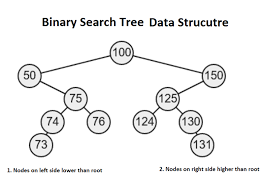
WELCOME TO THIS MODULE THAT WILL HELP YOU TO UNDERSTAND THE LOGIC OF PROGRAMMING.
PLEASE ENJOY THE MODULE
LECTURER
NZAYISENGA H. Marcellin
- Lecturer: NZAYISENGA Marcelin
- Lecturer: NABUZWANIKI Noel
Brief description of aims and content
The main aim of the module is to support students’ usage of the language as well as giving comprehensive information about the language; providing ample guidance and practice in sentence building, correct usage of varied vocabulary and structures and comprehension of written composition. This will equip the student with the ability to communicate effectively in English. The other target is availing students a chance to demonstrate evidence of their understanding of the content learnt and capability to proficiently use it rather than their ability to remember multitudes of information. This module also provides analytical knowledge and practical skills in relation to life by evaluating the student’s ability to effectively use the learned listening, speaking, reading and writing skills in varied environments.
- Lecturer: RUHUMULIZA GASPARD
- Lecturer: James MBONYUBURYO
By the end of this course, students will be able to:
-
Explain core concepts and theories in psycholinguistics related to language comprehension, production, and acquisition.
-
Describe the cognitive and neurological processes involved in understanding and producing spoken and written language.
-
Analyze language phenomena such as slips of the tongue, speech errors, and sentence processing using psycholinguistic principles.
-
Identify major brain structures associated with language and explain their roles in linguistic functioning.
-
Discuss language disorders (e.g., aphasia, dyslexia) and relate them to underlying cognitive and neurological mechanisms.
-
Apply psycholinguistic knowledge to real-world contexts such as education, communication, and language learning.
-
Evaluate basic research methods used in psycholinguistics and interpret findings from experimental studies.
These outcomes equip students with both theoretical understanding and practical insight into how language operates in the human mind and brain.
- Lecturer: Rukundo Desire
- Lecturer: Mpumuje Maurice
Brief description of aims and content
This module aims to provide students with an understanding of the theories and concept of entrepreneurship, and to provide basis for creativity and innovation in the firms they create and manage. It will also provide students with knowledge of different forms and sources of financing a business venture.
- Lecturer: RUHUMULIZA GASPARD
- Lecturer: Justin Mugisha
Brief description of aims and content
By the end of the course, the students will be able to focus on the problems of philosophical thought in general, African and Rwandan thought in particular; analyze the social, anthropological and deontological facts that contribute to their development; and provide the basic concepts of political economy leading to the understanding of economic, national and international environments.
- Lecturer: RUHUMULIZA GASPARD
- Lecturer: Fiacre Habimana
Purpose of this course
• Introduces the student to the basic accounting procedures involved in the production of a business entity’s financial statement.
Enable the students to understand the basic concepts of accounting, recording of business transactions, measurements of business performance and the assessment of financial position of the organizations- Lecturer: JACKSON KAGOBORA
- Lecturer: Dan Ngirababo
Brief description of aims and content
The module aims at:
-Making students aware of the Management control environments
-Making students aware of Historical evolution of Management control theory and practices
-Making students understanding Management control as processes: Planning, organizing, coordinating and controlling
-Making students understanding the various principles of each step or Management control as processes
-understanding the principles of Management control
-Making students understanding the different roles of framework.
-Making students understanding decision making and leadership skills- Lecturer: Patrick Ganza
- Lecturer: NSABIMANA William
The module aims at:
Making students aware of the Financial Institutions and Markets environments
Making students aware of Historical evolution of Financial Institutions and Markets theory and practices
Making students understanding Financial Institutions and Markets as processes: Planning, organizing, coordinating and controlling
Making students understanding the various principles of each step or Financial Institutions and Markets as processes
Understanding the principles of Financial Institutions and Markets
Making students understanding the different roles of framework.
Making students understanding decision making and leadership skills
- Lecturer: Patrick Ganza
- Lecturer: NSABIMANA William
After completion of this course, students should be capable of understanding Rwandan fiscal system. They should also be able to compare it with other fiscal system in the region.
Law of Taxation is a first semester course aimed at providing students with a working, theoretical knowledge of certain aspects of the Income Tax law. In particular, attention is drawn to the following:
- Gross Income Definition
- Trade deductions
- Special deductions
- Revenue Laws
- Tax planning and anti-avoidance provisions
The purpose of the course is to provide students with a basic knowledge over the financial structure of the State. They should also be able to weight interactions between economy and finance, and to analyse the way public funds are managed in Rwanda.
- Lecturer: Uwera Mamy
Welcome to the Fundamentals of C Programming module! In this foundational course, we embark on an exciting journey into the world of programming with one of the most influential and enduring languages: C. Designed to provide a solid understanding of programming concepts and techniques, this module serves as the gateway to mastering the art of computer programming.
Throughout this module, you will delve into the core principles of C programming, learning essential syntax, data types, control structures, functions, and more. Whether you're a beginner seeking to grasp the basics or an experienced programmer aiming to reinforce your skills, this course offers a comprehensive exploration of C's fundamentals.
By the end of this module, you'll not only have a firm grasp of C syntax and programming principles but also a deeper appreciation for the elegance and power of this timeless language. Get ready to unlock the secrets of programming and embark on a journey that will shape your understanding of computer science and software development.
- Lecturer: Isaac TUMWINE
A C programming course typically covers the fundamentals of the C programming language, which is widely used for system and application development. It begins with basic concepts such as variables, data types, operators, and control flow structures like loops and conditional statements. As the course progresses, students learn about functions, arrays, pointers, memory management, and file handling. Emphasis is placed on understanding the syntax and semantics of C, as well as developing problem-solving skills through practical coding exercises and projects. Advanced topics may include dynamic memory allocation, structures, and introduction to algorithms. Overall, the course equips learners with foundational skills essential for software development and system programming.
- Lecturer: Isaac TUMWINE
To demonstrate and to highlight how gender issues impede social and economic development of the country. In addition, to have a holistic view of the development with knowledge of social, cultural and economic development issues. Understand the importance of development endeavours.
Part I: Gender and Development
Chapter I: Gender terms and related Concepts
Chapter II: History of Women in Development
Chapter III: Theories of Gender Studies
Chapter IV: Women and Society
Gender Equity, Empowement Process
Part II: Development Theories
Chapter I. Key concepts definition
Chapter II. Genesis of development theory in the history of economics
Chapter III. Theorization of development
Chapter IV. Gender development theory
Chapter V. Rural development theory
- Lecturer: SEBUHURA KALALA
Brief description of aims and content
This module aims at describing and explaining the physical, demographic and economic features of Rwanda, and understanding ways of the country integration in regional and international organizations.
- Lecturer: RUHUMULIZA GASPARD
- Lecturer: KAMUKAMA JIMMY SPICE
DESCRIPTION OF OBJECTIVES OF THIS COURSE
• Understand the notions of HRM, functions, Environmental Influences on HRM, and Importance of HRM;
• To know the definition of HRP, aims of HRP, job analysis, the process of HRP;
• To acquire some notions of Recruitment, sources of recruitment, meaning and definition of selection, the difference between recruitment and selection, steps in selection procedure, the interview process, and lastly the types of induction programme.
• To distinguish the training and development with all their major components.
• Understand HR performance appraisal;
• Understand and know how to deal with job stress

- Lecturer: Ronald Kimuli
INTRODUCTION TO FLUID POWER.
Fluid power is the technology that
deals with the generation, control, and transmission of power, using
pressurized fluids.
For examples:
fluid power steers and brakes automobiles, launches spacecraft, moves earth,
harvests crops, mines coal, drives machine tools, controls airplanes, processes
food, and even drills teeth.
Fluid power is called hydraulics
when the fluid is a liquid and called pneumatic when the fluid is a
gas. Thus fluid power is the general
term used for both hydraulics and pneumatic. The first hydraulic fluid to be
used was water because it is readily available. However, water has many
deficiencies in comparison to hydraulic oils. For example water freezes more
readily, is not as good a lubricant, and tends to rust metal components. In
spite of these deficiencies, there is a renewed effort underway to return to
water in certain applications because of water’s abundance, non flammability,
and environmental cleanliness. When water hydraulics is used, the water
contains additives to improve lubricity and rust protection and prevent
freezing where necessary.
Hydraulic oils are currently much more widely
used than water, but as environmental concerns continue to become more serious,
water hydraulics is expected to become more prevalent.
Pneumatic systems use air as the gas medium because air is very abundant and can be readily exhausted into the atmosphere after completing its assigned task. There are actually two different types of fluid systems: fluid transport and fluid power.
- Lecturer: karikurubu emmanuel
Brief description of aims and content
The main aim of the module is to support students’ usage of the language as well as giving comprehensive information about the language; providing ample guidance and practice in sentence building, correct usage of varied vocabulary and structures and comprehension of written composition. This will equip the student with the ability to communicate effectively in English. The other target is availing students a chance to demonstrate evidence of their understanding of the content learnt and capability to proficiently use it rather than their ability to remember multitudes of information. This module also provides analytical knowledge and practical skills in relation to life by evaluating the student’s ability to effectively use the learned listening, speaking, reading and writing skills in varied environments.
- Lecturer: RUHUMULIZA GASPARD
Brief Description of aims and content
The History of French Literature module aims to provide students with a basic understanding of the evolutionary process of French literature, enabling them to analyse the texts of the major authors of each literary movement.
- Lecturer: RUHUMULIZA GASPARD


This is an
introductory course on international politics and the relations between actors
in the global political system. The purpose of this course is to systematically
study international interactions between actors with different interests and
ideas. In this course we will explore topics, encounter puzzles, examine
theories, and evaluate evidence to try to gain a greater understanding of world
politics. The overarching goal of the course is to understand how the
contemporary global political system originated, and what historical processes
and actors drove its development and change. The goal is for stimulated
thinking about events that take place outside of more than just our community
and how important it is to have an understanding of world events that occur and
how they might affect our lives.
- Lecturer: Ronald Kimuli
- Lecturer: Rutarindwa Jean Pierre
Brief description of aims and content
By the end of the level, the students will be able to focus on the problems of philosophical thought in general, African and Rwandan thought in particular; analyze the social, anthropological and deontological facts that contribute to their development; and provide the basic concepts of political economy leading to the understanding of economic, national and international environments.
- Lecturer: RUHUMULIZA GASPARD
- Lecturer: Crispine HAHIRWUWIZERA
The study of law begins with understanding its foundations—what law is, why it exists, and how it functions in society. This assignment is designed to introduce first-year students to the core principles, sources, and purposes of law. It explores the role of law in maintaining order, resolving disputes, protecting rights, and promoting justice. Through this task, students will familiarize themselves with key legal concepts such as the rule of law, legal systems, classifications of law, and the relationship between law and morality. The assignment aims to build a strong foundation for more advanced legal studies and to develop analytical thinking, interpretation, and legal writing skills from the outset of the legal education journey.
- Lecturer: Uwera Mamy
The module "Introduction to Law" provides a foundational understanding of the nature, purpose, and structure of law within society. It introduces students to basic legal concepts, classifications of law (such as public and private law), sources of law, and the role of legal institutions in maintaining order and justice. This course also explores fundamental legal principles such as the rule of law, justice, legal personality, and the distinction between moral and legal rules. Through this module, students will gain essential knowledge and analytical skills that prepare them for advanced legal studies and help them appreciate the importance of law in regulating human behavior and resolving social conflicts. It serves as the cornerstone for all future legal learning and professional development.
- Lecturer: Uwera Mamy
Introduction to major
genres of literature such as oral literature, drama, poetry and prose fiction
from various times and cultures
of the world. Course texts will be selected from works across section of authors
using the educational approach. The module shall be introductory in nature; it
shall try to define the different
genres of literature, draw a distinction between oral and written literature,
then identify educational values to
facilitate the use of sample texts to closely study each of these genres with a
view to understanding areas,
like themes, characterization, plot, style and language use, among other things
- Lecturer: RUHUMULIZA GASPARD
- Lecturer: Jacques Ndahayo
Brief description of aims and content
Introduction to major genres of literature such as oral literature, drama, poetry and prose fiction from various times and cultures of the world. Course texts will be selected from works across section of authors using the educational approach. The module shall be introductory in nature; it shall try to define the different genres of literature, draw a distinction between oral and written literature, then identify educational values to facilitate the use of sample texts to closely study each of these genres with a view to understanding areas, like themes, characterization, plot, style and language use, among other things.
- Lecturer: RUHUMULIZA GASPARD
- Lecturer: Jacques Ndahayo
Political science was the first among social sciences to retain the attention of philosophies. Rating from the antiquity, outstanding philosophies take interest into “government” of societies. Plato (428-347 before Jesus Christ) and his book “ the republic” the perfect city founded on justice, Aristotle ( 384-322 before Christ) and his book “politics” which presents a typology of government, have been among the first writers of treaties on political science.
- Lecturer: SEBUHURA KALALA
The course is designed for students who begginners in the field of social sciences. The aim of the module is to set out the main principles and elementary concepts of sociology, develop students’ skills of sociological thinking and prepare students for deeper studies of particular sociological disciplines and areas of knowledge. Students will independently study theoretical materials using the list of recommended readings. As a result of the module, students will learn the main principles and concepts of general sociology, as well as some important theoretical approaches to the study of society and its subsystems; learn to analyze events and facts from the sociological viewpoint; get an idea of some key sociological categories and directions of sociological knowledge.
At the end of this module, students should have also acquired enough skills in defining the basic concepts of General Psychology; Giving the current orientations of General Psychology; Raising the relationship between Psychology and other sciences, Identifying and explaining the principal methods of General Psychology and Knowing the major specializations found in Psychology; Understanding how the brain is involved in controlling behavior and mental processes, describe the impact, in the behavior of environmental factors relating to our society to identify various means the individual disposes to influence his environment.
- Lecturer: SEBUHURA KALALA
At the end of this module students will be able:
1) To be able to translate the expressions and juridical tems in Kinyarwanda and English or vice versa;
2) To be able to understand the custom Rwandan law;
3) To be able to distinguish the different parties of the judgment;
4) To be able to translate and comment a judgment in Kinyarwanda.
- Lecturer: Uwera Mamy
Having successfully completed the module, students should be able:
1. To be able to translate the expressions and juridical tems in Kinyarwanda and English or vice versa;
2. To be able to understand the custom Rwandan law;
3. To be able to distinguish the different parties of the judgment;
4. To be able to translate and comment a judgment in Kinyarwanda.
- Lecturer: Uwera Mamy
To help students understand the multilingual conditions of language learning, this module defines multilingualism from different perspectives (number of languages in the world, status of different languages, etc.); presents the patterns of multilingualism in different nations and explains their settings; and describes the multilingual practices obtaining in different contexts. It further presents a historical overview of traditional and contemporary perspectives on L1 and L2 acquisition/learning and draws on perspectives on multilingualism to explain the current paradigm shift from monolingual to multilingual views on language acquisition/learning, and the effects of multilingualism on language learning.
- Lecturer: RUHUMULIZA GASPARD
- Lecturer: Mugisho Ndabuli
- Lecturer: Mugisho Ndabuli
By the end of this course, students should be able to:
-
Understand key legal frameworks
- Explain laws related to software such as intellectual property, copyright, patents, data protection, and cybercrime.
-
Apply ethical principles in IT practice
- Identify ethical dilemmas in software development and apply professional codes of ethics (e.g., ACM/IEEE) to resolve them.
-
Analyze data privacy and security issues
- Evaluate how software systems collect, store, and use data, and ensure compliance with privacy regulations.
-
Recognize intellectual property rights
- Differentiate between open-source, proprietary, and licensed software, and respect ownership rights.
-
Assess professional responsibility
- Understand accountability, liability, and the social impact of software systems on users and society.
-
Evaluate cybersecurity and cybercrime laws
- Identify legal implications of hacking, unauthorized access, and software misuse.
-
Promote ethical software development practices
- Integrate fairness, transparency, and inclusivity into system design (e.g., avoiding bias in algorithms).
-
Handle real-world case studies
- Critically analyze famous legal/ethical cases in IT and propose appropriate solutions.
-
Ensure compliance in software projects
- Apply legal and ethical standards during the software development lifecycle.
- Communicate ethical decisions effectively
- Justify decisions clearly to stakeholders, balancing technical, legal, and ethical considerations.
- Lecturer: Felix HARERIMANA
- Lecturer: NZAYISENGA Marcelin
The module aims at:
-Making students aware of the Management control environments
-Making students aware of Historical evolution of Management control theory and practices
-Making students understanding Management control as processes: Planning, organizing, coordinating and controlling
-Making students understanding the various principles of each step or Management control as processes
-understanding the principles of Management control
-Making students understanding the different roles of framework.
-Making students understanding decision making and leadership skills
Having successfully completed the module, students should be able to:
· apply principles of Management control in manufacturing or service industries
· apply Principles of Management control in any working environment
· apply Management control principles in any working environment
- Lecturer: NSABIMANA William
- Lecturer: Ddumba Yasser
Brief description of aims and content
The module aims at:
Making students aware of the Marketing, Production and Operations Management environment
Making students aware of Historical evolution of Marketing, Production and Operations Management theory and practice
Making students understanding management as a process: Marketing, Production and Operations Management
Making students understanding the various principles of each step of Marketing, Production and Operations Management as a process
Making students understanding the different roles of framework.
Making students understanding decision making and leadership skills
- Lecturer: Dr. Bruce Gashema,Ph.D
- Lecturer: NSABIMANA William
1) To be able to translate the expressions and juridical tems in Kinyarwanda and English or vice versa;
2) To be able to understand the custom Rwandan law;
3) To be able to distinguish the different parties of the judgment;
4) To be able to translate and comment a judgment in Kinyarwanda.
- Lecturer: Uwera Mamy
Brief description of aims and content
This module lays the foundations to the study of Finance and introduces the fundamental concepts of money and banking. It focuses particularly on introduction to theoretical and applied issues relating to the banking industry. It introduces to banking, central banking and banking regulations issues in bank management and comparative banking markets.
Learning Outcomes
At
the end of this course, students have a clear understanding about
- Monetary policy
- Central Banking
- Banking Regulations
- Issues in Bank Management
- Techniques and Practices of Banks
- Comparative Banking Markets.
- Lecturer: NSABIMANA William
The module aims to provide students with a comprehensive understanding of computer networking principles, network addressing, network operating systems, IP routing, and dynamic routing protocols, preparing them for practical applications in designing, implementing, and managing computer networks.
- Lecturer: Felicien Rimenyande
The judicial system of Rwanda is a fundamental pillar of the rule of law, tasked with ensuring justice, protecting rights, and resolving disputes. The organization, functioning, and competence of courts in Rwanda are governed by the Constitution and relevant organic laws. The court system is structured into ordinary and specialized jurisdictions, including the Supreme Court, Court of Appeal, Intermediate Courts, Primary Courts, and specialized bodies like the Commercial Courts and Military Courts. Each level of court has clearly defined jurisdiction (competence) and procedural rules that guide how cases are received, heard, and decided. This structure promotes efficiency, accessibility, and fairness in the administration of justice, while also upholding principles such as judicial independence, impartiality, and accountability. Understanding this system is essential for legal professionals, scholars, and citizens seeking to engage with Rwanda’s justice mechanisms.
- Lecturer: Uwera Mamy
The module investigates concepts of first and second order Ordinary Differential Equations (ODE) and their applications.
- Lecturer: RUHUMULIZA GASPARD
- Lecturer: Jean de Dieu NTAWIHEBASENGA
- Lecturer: Etienne NZARAMYIMANA
The judicial system of Rwanda is a fundamental pillar of the rule of law, tasked with ensuring justice, protecting rights, and resolving disputes. The organization, functioning, and competence of courts in Rwanda are governed by the Constitution and relevant organic laws. The court system is structured into ordinary and specialized jurisdictions, including the Supreme Court, Court of Appeal, Intermediate Courts, Primary Courts, and specialized bodies like the Commercial Courts and Military Courts. Each level of court has clearly defined jurisdiction (competence) and procedural rules that guide how cases are received, heard, and decided. This structure promotes efficiency, accessibility, and fairness in the administration of justice, while also upholding principles such as judicial independence, impartiality, and accountability. Understanding this system is essential for legal professionals, scholars, and citizens seeking to engage with Rwanda’s justice mechanisms.
- Lecturer: Uwera Mamy
This module aims at facilitating students to understand the organization, functioning and jurisdiction of Courts under the Rwandan Justice system
- Lecturer: Uwera Mamy
The module aims at:
Making students aware of the Organisational Human Resource Aspects environment
Making students aware of Historical evolution of Organisational Human Resource Aspects theory and practice
Making students understanding management as a process: Organisational Human Resource Aspects
Making students understanding the various principles of each step of Organisational Human Resource Aspects as a process
Making students understanding the different roles of framework.
Making students understanding decision making and leadership skills
- Lecturer: Uwimbabazi Innocente
- Lecturer: NSABIMANA William
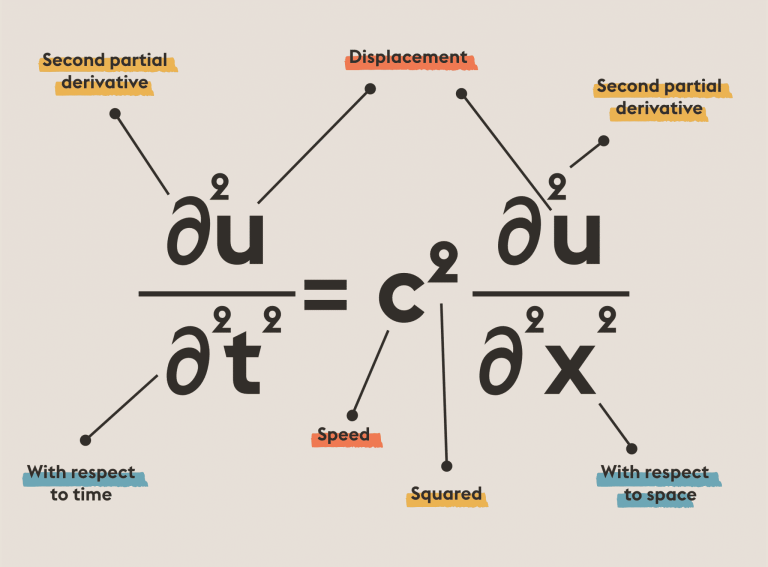
In this module, two main topics will be covered. The first part will cover Partial Differential Equations, including the origin of partial differential equations, linear partial differential equations of first order, quasi-linear partial differential equations of second order, Homogeneous and non-homogeneous PDEs. In the second part, Applications of PDEs to physics: the (hyperbolic) wave equation, the (parabolic) heat equation, and the (elliptic) Laplace equation.
- Lecturer: RUHUMULIZA GASPARD
- Lecturer: Etienne NZARAMYIMANA
Module Title: PARTICIPATIVE METHODS
3. Level: III Semester: I Credits: 12
4. First year of presentation: 2011 Administering Faculty: SOCIAL SCIENCES
5. Pre-requisite or co-requisite modules, excluded combinations: Having completed Level
II
6. Allocation of study and teaching hours
- Lecturer: SEBUHURA KALALA
Brief description of aims and content
· To enhance students' understanding of the role of accounting information in the decision-making processes of an organization
- To develop an understanding of the context of management accounting, and the behavioral implications of management accounting information.
- To develop their abilities to prepare, analyze and interpret accounting information relevant to performance and control systems
· To enhance their understanding of the interplay management accounting and organizational management
· To develop students' ability to rigorously appraise and evaluate the information available in financial statements and annual reports.
· To develop students' ability to understand, interpret, analyze, critically evaluate and use financial statements
· To provide students with an understanding of regulatory environment for financial reporting, sources of finance and merger and acquisition activity
To familiarize students with a range of financial statement analysis techniques- Lecturer: Nyirakageme Alice
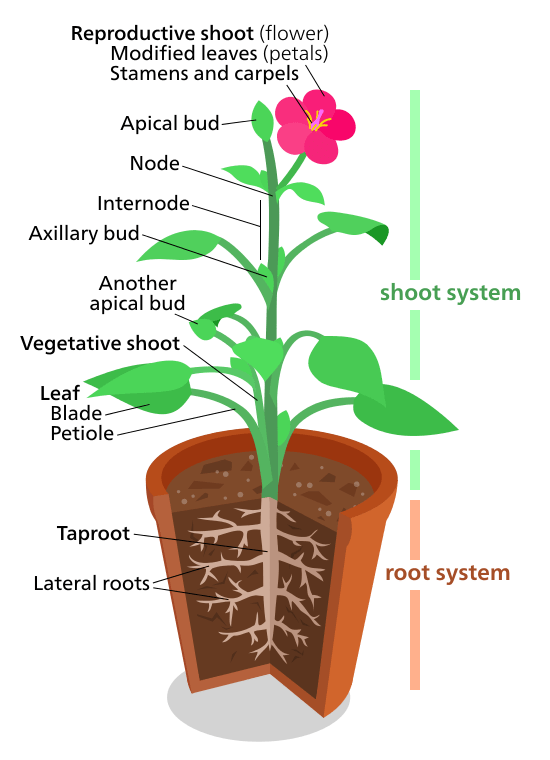
This module introduces you to plant diversity, taxonomy, anatomy, and physiology, highlighting the major groups of plants from non-flowering to flowering species and their evolutionary relationships. It examines the structural organization of plants and the physiological processes that govern growth, development, and reproduction. You will develop the knowledge and skills needed to understand plants as living systems and to teach plant biology effectively.
- Lecturer: Rukundo Desire
- Lecturer: Solange Nyiraguhirwa
1. Brief description of aims and content
This module aims at understanding the most common political systems around the world and the principles advocated acquiring and managing the political power.
- Lecturer: RUHUMULIZA GASPARD
- Lecturer: Ben KARENZI
Brief description of aims and content
This module aims at describing and understanding the important political, economic, social et cultural changes in the History of Rwanda from the Prehistory to the 19 th century.
- Lecturer: RUHUMULIZA GASPARD
- Lecturer: Ben KARENZI
Brief description of aims and content
The module aims at:
-Making students aware of basic notions of Management
-Making students aware of Historical evolution of management theory and practice
making students understanding management as a process: Planning, organizing, coordinating and controlling
-Making students understanding the various principles of each step of management as a process
-Understanding the importance of Motivating and rewarding employees
-Making students understanding the different roles of Manager.
-Making students understanding decision making and leadership skills
-Making students understanding Management in the global environment
- Lecturer: Rukundo Desire
- Lecturer: JACKSON KAGOBORA
This course provides an in-depth exploration of the field of professional accounting, covering its historical development, core principles, regulations, and ethical considerations. Students will gain a comprehensive understanding of both financial and management accounting, as well as specialized areas like cost accounting, lean accounting, and transfer pricing.
- Lecturer: MUNGANYINKA Desanges
- Lecturer: IBANDA Hassan
Brief description of aims and content
The module aims at:
-Making students aware of the Project management environments
-Making students aware of Historical evolution of Project management theory and practices
-Making students understanding advanced Taxation and Auditing as processes: Planning, organizing, coordinating and controlling
-Making students understanding the various principles of each step or Project management as processes
-Understanding the principles of Project management
-Making students understanding the different roles of framework.
-Making students understanding decision making and leadership skills
- Lecturer: Alain Amani Manzi
- Lecturer: NSABIMANA William
Brief description of aims and content
The module aims at:
-Making students aware of the Project management environments
-Making students aware of Historical evolution of Project management theory and practices
-Making students understanding advanced Taxation and Auditing as processes: Planning, organizing, coordinating and controlling
-Making students understanding the various principles of each step or Project management as processes
-Understanding the principles of Project management
-Making students understanding the different roles of framework.
-Making students understanding decision making and leadership skills
- Lecturer: Alain Amani Manzi
- Lecturer: NSABIMANA William
The concept administration is viewed as “practical exercise” that needs no special study. On the other hand, others regard is as a “specialized field” with sound theories, principles and techniques. With this in mind, it is important for all of us in this study, to try to define it so that we improve our understanding of this concept. Thus our interest here is to find out what it means its scope, nature and application in public sector.
- Lecturer: SEBUHURA KALALA
This course provides an introduction to the main concepts and principles of public international (PIL) with specific emphasis on their practical impact on the conduct of international affairs. It is structured into three parts. The first part focuses on the foundations of PIL (subjects, sources, principles and relations between international and domestic law). The second part deals with three major areas of PIL, namely the law of treaties, the law of State responsibility and the peaceful settlement of international disputes. The third part will be devoted to some specialized areas of PIL, such as international environmental law, human rights law, and the law governing economic development. The course is primarily intended for students enrolled in the LLB and IR (international relations) programmes, but it is also open to other students specializing in disciplines other than international law.
- Lecturer: Uwera Mamy
The module aims at:
-Making students aware of the Quality and risk management environments
-Making students aware of Historical evolution of Quality and risk management theory and practices
-Making students understanding Quality and risk management as processes: Planning, organizing, coordinating and controlling
-Making students understanding the various principles of each step or Quality and risk management as processes
-understanding the principles of Quality and risk management
-Making students understanding the different roles of framework.
-Making students understanding decision making and leadership skills
- Lecturer: Dr. Bruce Gashema,Ph.D
- Lecturer: NSABIMANA William
I) Knowledge and Understanding
- Understand the meaning of quality management
- Identify the various approach that were adopted by organization that have implemented quality management
- Identify the reasons for the success or failure of some organization in the implementation of quality management
- Identify key leaders in the field of quality management and their contribution
- Describe tools for identifying and solving quality problem.
- Lecturer: Uwimbabazi Innocente
- Lecturer: NSABIMANA William
This module covers the R statistical programming language; the RStudio Integrated Development Environment (IDE); Data importation methods; Basic R Data Types; Data processing and manipulation techniques; External add-in packages for R; Summary statistic functions; Data visualisations using ggplot and Error types. More specifically, the module provides introduction to R, RStudio, RstudioCloud and why using scripting; R for calculations, variables and objects, assignments, vectors, built -in functions; vector calculations, reading in data, built-in functions; data types in R, understanding and manipulating data structures; visualization: making plots; indexing; working with strings, working with dates and times; conditional statements and loops; data exploration: descriptive statistics; and data science principles.

- Lecturer: Rutarindwa Jean Pierre
- Lecturer: Leopord UWAMAHORO
This course's objective is to familiarize students with the power, precision, and versatility of modern radar systems, with special emphasis on detection principles, signal processing, and navigational applications. It highlights how radar systems perform critical surveillance, tracking, and guidance tasks with remarkable accuracy and reliability across military, aviation, and maritime domains.
By the end of this course, students will acquire a solid understanding of radar system design, operation, and applications from air traffic control to weather monitoring. Students will be able to analyze, optimize, and troubleshoot radar systems for real-world scenarios, preparing them for advanced Diploma in Electronics and Telecommunication Engineering.
- Lecturer: NSHIMIYIMANA Thacien
MODULE: NETWORKING: routing and switching
General objective:
• The module aims to provide students with a comprehensive understanding of computer networking principles, network addressing, network operating systems, IP routing, and dynamic routing protocols, preparing them for practical applications in designing, implementing, and managing computer networks.
Specific objectives:
Understand the fundamentals
of computer networking, including network components, protocols, and
architecture.
- Explore the evolution of networking technologies and their impact on
communication and information exchange.
- Identify key networking concepts, such as the OSI model, TCP/IP stack, and
network topologies.
- Learn the principles of network addressing, including IPv4 and IPv6
addressing schemes.
- Understand the allocation and management of IP addresses within a network.
- Explore subnetting, addressing classes, and address resolution protocols.
- Gain knowledge of network operating systems and their role in managing
network resources and services.
- Explore the features and functionalities of popular NOS platforms, such as
Windows Server, Linux, and macOS Server.
- Learn about user authentication, directory services, file sharing, and
network security in NOS environments.
- Understand the principles of IP routing and the routing process in computer
networks.
- Explore routing protocols, such as static routing, dynamic routing, and
default routing.
- Learn about routing tables, routing metrics, and the role of routers in
directing data packets.
- Compare and contrast dynamic routing protocols, including RIP (Routing
Information Protocol), EIGRP (Enhanced Interior Gateway Routing Protocol), and
OSPF (Open Shortest Path First).
- Understand the operation, advantages, and limitations of each routing
protocol.
- Configure and troubleshoot dynamic routing protocols in network environments.
- Lecturer: NZEMERIMANA Jean Pierre
- Lecturer: Rutarindwa Jean Pierre
PORTFOLIO MGT & SECURITY ANALYSIS is a highly competitive sector of modern business. It operates in a very complex and dynamic environment with changes occurring rapidly in client requirements, technology, competition and regulation. Financial managers, traders, analysts and those wishing to pursue a career in this field have to make rapid and sometimes far reaching decisions. Therefore a unique opportunity to study advanced theory and practice relating to Portfolio management & Security analysis, and to develop the skills and practices necessary to survive in this complex environment must be considered an essential asset.
Aims:
• To provide students with the knowledge, understanding and skills required to operate effectively in Portfolio management & Security analysis.
• To allow students to make Portfolio management & Security analysis decisions in a fast moving environment.
• To provide a source of highly skilled graduates to the financial services industry.
• To prepare students for high level positions in industry, commerce and banking.
- Lecturer: obiora Emeka
- Lecturer: NSABIMANA William
Having successfully completed the module, students should be able to demonstrate knowledge and understanding of:
- Explain the role of Portfolio management & Security analysis in a modern international business.
- Describe the Portfolio management & Security analysis environment and appreciate its role in corporate Portfolio management & Security analysis decision making.
- Understand the operation and application of Portfolio management & Security analysis.
- Provide students with an understanding of Portfolio management & Security analysis decisions in the environment.
- Lecturer: obiora Emeka
- Lecturer: NSABIMANA William
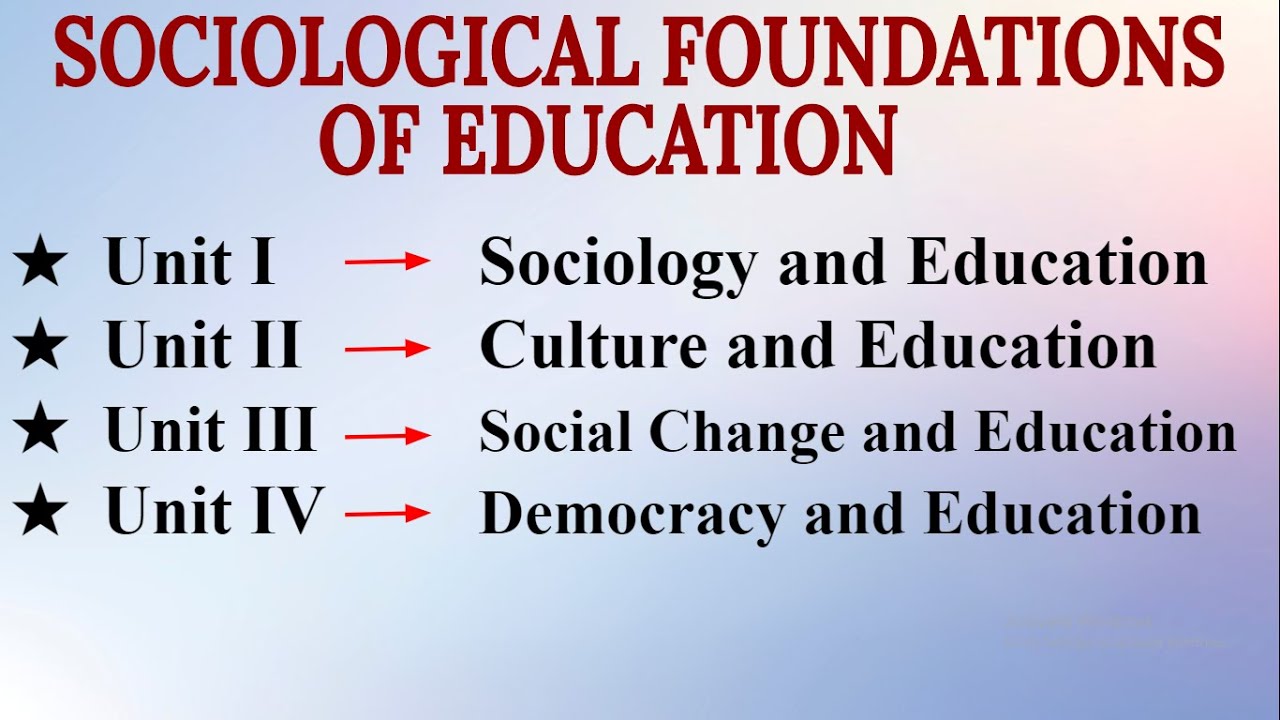
The first importance is to develop and to analyse the social phenomena that occur in a particular branch of sociology that is the sociology of the education. It will consist in understanding the link between the society and the education i.e. how the education exercises an influence on the society and how each society determines its system of education.
It is necessary to note that the education is not a domain isolated from the social life but is in interaction with other domains. We cannot understand the phenomenon of the education without putting it on in a whole of the systems close to the social life.
It is also an introduction to the personal research, and this must push to the consultation of the documents concerning the same object.
Another importance is of interest limited to people that, by taste or interest, will make some research on the education. They must possess particular sociological analysis of the education so that after this course, they should be able to analyse the main facts related to the education system or to establish the professional reports in relation to different aspects of the same phenomenon connected to the education.
- Lecturer: Ronald Kimuli
This unit presents the Fundamentals of Sociology of Education, focusing on the meaning of sociology, its functions, meaning of education and the relationship between education and sociology and education and society. The acquisition of these basic rubrics will expose you to the nature of the course.
The module consists in understanding the link between the society and education i.e. how the education exercises an influence on the society and how each society determines its system of education.
This module introduces students to look at major theories of human communication, designed to give students a critical understanding of key themes in the field of communication. The art of communication is the language of development. It forms the foundation of this course. Here students explore the role of communication with development stakeholders including the community and how Medias influence publics.
- Lecturer: SEBUHURA KALALA
By the end of this course, students will be able to:
· Introduce software security as a discipline and distinguish it from related fields.
· Describe the components and lifecycle of a risk management framework.
· Explain the processes of vulnerability assessment and management.
· Apply foundational risk management concepts to a given software project.
· Perform basic code
inspection to identify common security vulnerabilities. · Explain the purpose
and process of architectural risk analysis. · Differentiate between
penetration testing methodologies. · Describe the
principles and applications of fuzz testing (fuzzing). · Explain the concepts
of symbolic and concolic execution for path exploration. · Describe how model
checking can formally verify system properties. · Understand the
principle of abstract interpretation for static analysis. · Relate these advanced
techniques to automated test generation. · Explain the concept of risk-based
security testing. · Describe how software security
intersects with security operations (SecOps). · Utilize the MITRE ATT&CK™
framework to understand adversary behavior. · Outline the key pillars of an
enterprise software security program.
- Lecturer: Ntirenganya Jean Paul
- Lecturer: NZAYISENGA Marcelin
Hello learners,
Welcome to the EDM 103 Module - Theories and Practices of Teaching.
My name is Dr David Ngatia and I will be your course lecturer.
This course aims to equip you with a comprehensive understanding of teaching theories and practices by providing you with the knowledge, skills and values necessary to create engaging, effective, and inclusive learning environments.
Hope you will enjoy the course!
Email Contact: dgachiu@gmail.com Moblie-WhatsApp: +254 725620042

- Lecturer: Rukundo Desire
- Lecturer: David Ngatia
Brief description of aims and content
This module is designed to provide students with an understanding of
Working Capital Management and Business statistics. It thus provides a framework for analysing how the three different working capital components correlate, short term sources of funds and means of funds placement are examined. Components of inferential statistics applied to business and finances are the object of the second unit: business statistics.
- Lecturer: BIKORIMANA Gaspard
- Lecturer: NSABIMANA William